

Your Pain Is Mine Now
In celebration, and mourning, of Title Fight, the world's greatest disappeared band

YOU GAZE OUT your bedroom window in the doldrums of suburbia. Rain slashes at the glass, pummels on the rooftops. Each house looks like the one you’re standing in, hidden lives unspooling behind red-bricked walls—hundreds of lives, banal yet distinct, not one likes yours.
The real world is out there, you think, somewhere beyond those rooftops, waiting for me to find it, far from these faceless shadows and all their secret pain.
Sometimes you feel so alive you could cry.
Often you feel so anxious you could die.
This is the sound of the world’s greatest disappeared band, Title Fight.
THE BEST ARTISTS are like sharks: if they stop swimming they will die.1 To the deepest waters the fearless artist swims, each project another opportunity to be found and lost and found again.
The safe choice means stasis, sinking to the black depths. But if you’re always swimming, you’re always far away. Always alone.
In music, there is perhaps no act which more purely exemplifies this restless artistic spirit than Title Fight. Across four albums,2 its music evolved from melodic-hardcore-tinged pop-punk to a kind of emotive post-hardcore shoegaze.
Fuck genre labels, though. Who needs them? I reject them in my fiction and I reject them here. What matters is how art feels, and no labels can encapsulate that.
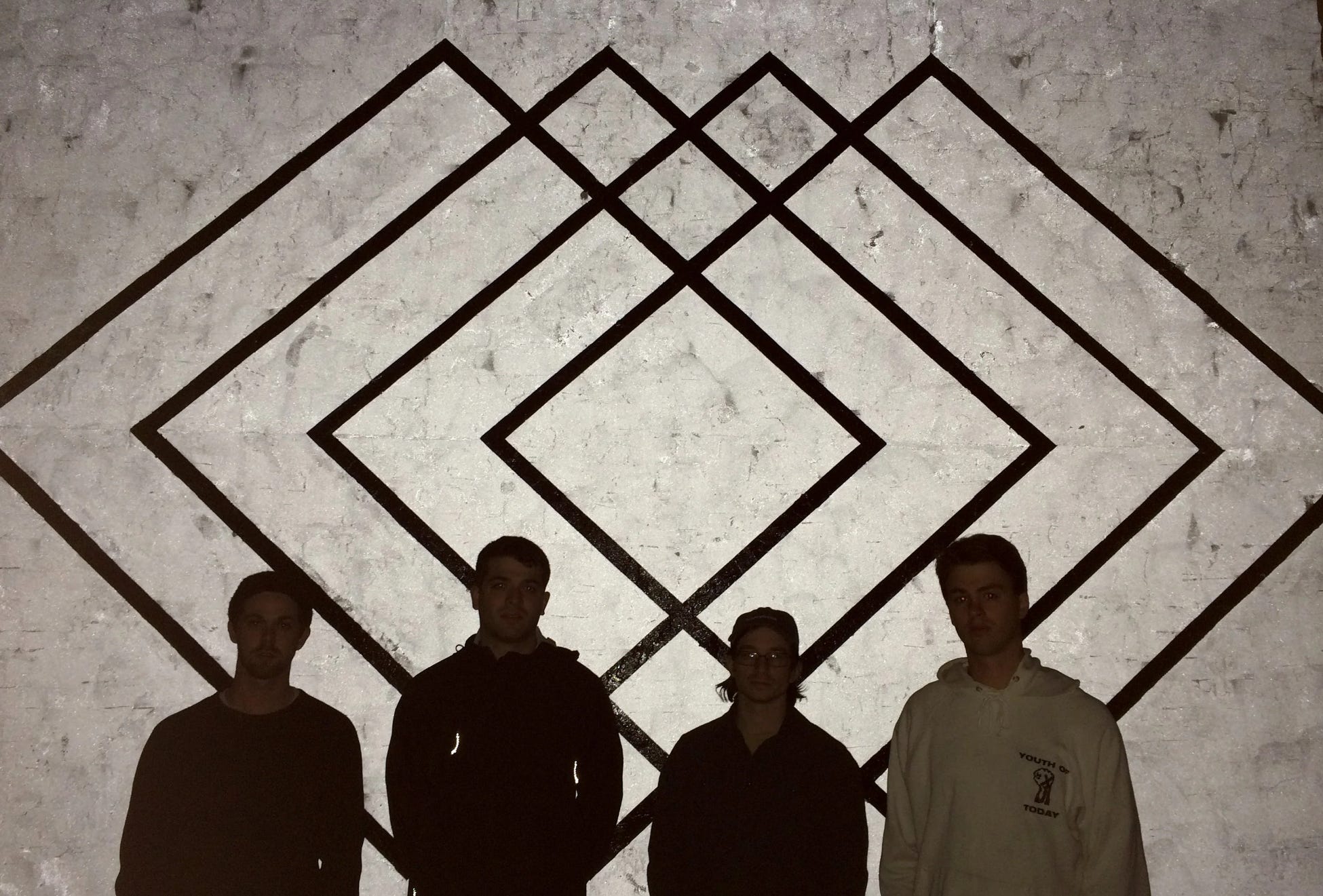
TITLE FIGHT FANS don’t just love Title Fight—we cherish the band like it’s the last known copy of some beautiful, priceless book filled with secrets and magic.
Maybe this is because Title Fight vanished from the world at the band’s creative zenith, the moment it finally flowered into full bloom, without an announcement or explanation or even a goodbye, coinciding with, for many of us, a period of similar transition in our own lives. To shed one’s skin leaves a scar.
There’s a black spot next to your name
You can’t seem to erase
Shed your skin
Change your face
— Title Fight, “Shed”
IN EXPLORING THE music of Title Fight, I will show you my two favorite songs. Listen to them. Soak them up. Forget genre labels, forget which scene you think they fit into.
How do these songs make you feel?
First, “Your Pain Is Mine Now” from the band’s final, and greatest, record, Hyperview.
Dreamy, right? Did you notice how, halfway through, the guitars sounded like one of those groan tubes? You know, those weird toys when you were a kid that, in the words of this redditor, “when you turn the stick upside down, the cylinder goes down the stick and it goes ‘AAAAAAEEEEEEEUUUUUUUUU,’ and when you turn it upside down again it goes, ‘UUUUUEEEEEEEAAAAAAAAAAA.’”
How producer Will Yip, who recently won a Grammy for Turnstile’s Never Enough, made guitars sound like that, I do not know, but I love him for it.
The production on Hyperview is enchanting. There is a distinctly more “grownup” texture to this record, which is more complex musically than the band’s remaining body of work, but that adolescent ache pangs here still.
Next is “Dreamcatchers,” which, bizarrely, is, I think, a B-side that failed to make it onto debut LP Shed. This particular version of “Dreamcatchers” was released as a limited-edition seven-inch for Alternative Press.
What a fucking song. I could play it ten times in a row—in fact, I have.
You are struck by the contrast from “Your Pain Is Mine Now,” I’m sure. Listen again. Hear that lonely yearning in Jamie Rhoden’s voice. The way the melodies shift rhythm and energy, transforming from fast punk into “something else”:
I’d nail a dreamcatcher above my bed
If I thought it would keep you
Out of my head
But that wouldn’t help
I’m reaching out for
Something else
Together these two songs encapsulate everything I love about Title Fight, illustrating both the band’s evolution and the seed of brilliance in it from the start.
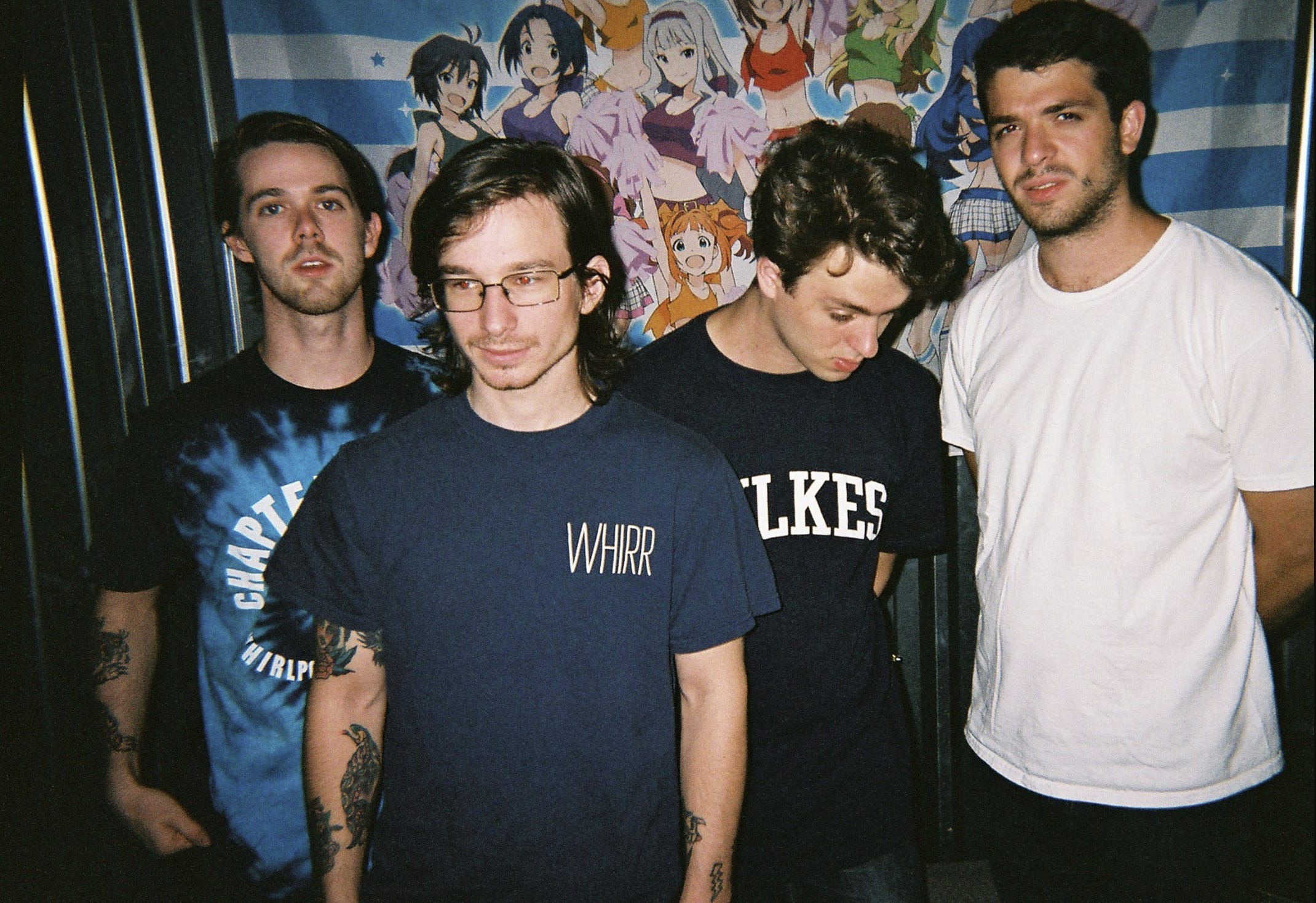
TITLE FIGHT FORMED in 2003, in a small borough of Pennsylvania called Kingston, as twelve-year-old (yes, fucking twelve) twin brothers Ned and Ben Russin, on bass/vocals and drums respectively, and Jamie Rhoden on guitar/vocals. Guitarist Shane Moran joined soon after. The Russins’ older brother Alex was a guitarist in Cold World, a hardcore band with hip hop vibes.
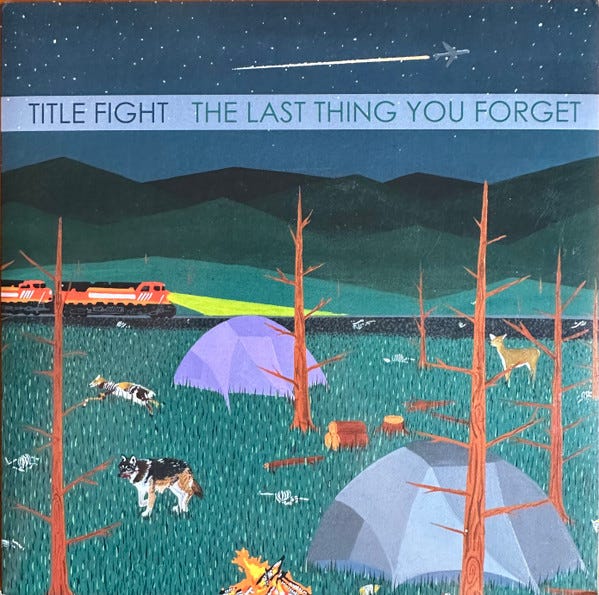
Title Fight first released a series of EPs, collected in 2009 under the compilation The Last Thing You Forget. The underlying texture of this collection is notably pop-punk (or rather punk-pop), but its abundant rhythm-changing, intros/outros, and groovy, rather ingenious riffs are distinctively Title Fight.
Consider “Loud and Clear,” a shockingly confident song for a band so young. It makes me think of Alexisonfire. That riff. The way that outro surprises you every time, shifting gears then building energy. How the strangled vocals ride the wave.
Title Fight’s debut LP, Shed, released in 2011, and like the other two LPs, it is perfect. More of a post-hardcore/emo sound, Shed reveals the band’s growth and plants the seeds of the softer, more “grownup” textures that Rhoden, Moran, and the Russin bros would explore with increasing confidence on Floral Green, and perfect on Hyperview.
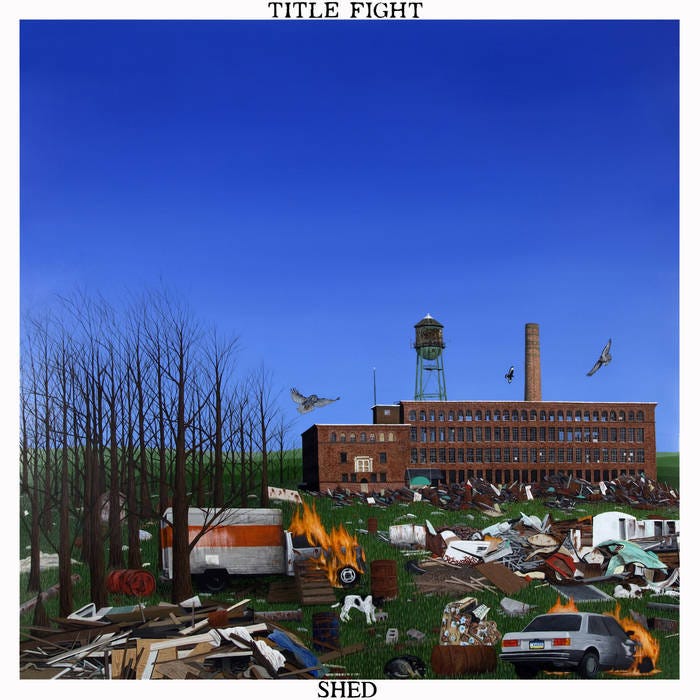
This aching, searching side of Title Fight is revealed on Shed through the back-to-back tracks “Safe in Your Skin” and “Where Am I?,” which I consider one song. The transition is wonderful; you need to hear it with the tracks joined together.3
This strange routine
Sometimes weighs down on me
But I wouldn’t trade it
Not for anything
Maybe there’s nothing
Only this moment
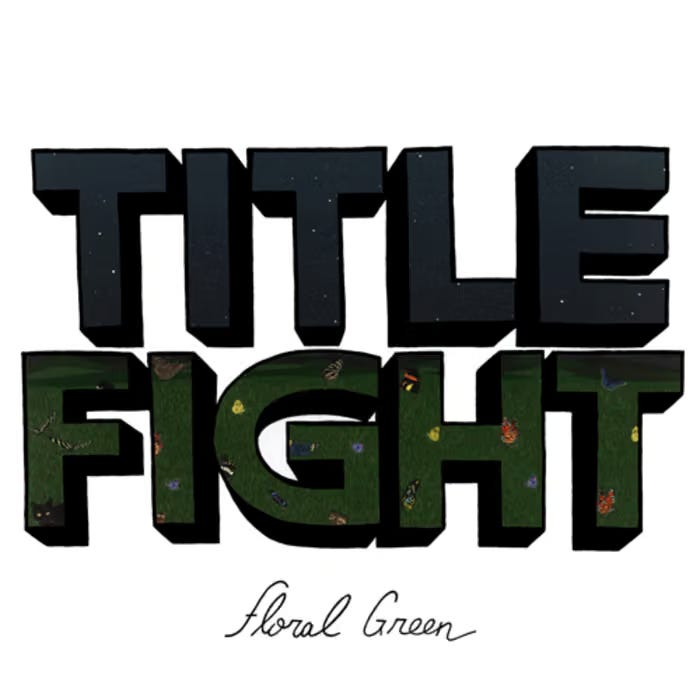
Floral Green saw Will Yip begin his collaboration with the band. This is many fans’ favorite Title Fight album, such as Turnstile’s drummer, Daniel Fang, who told Pitchfork it’s his all-time favorite record. Fang’s top track is “Lefty.” It’s mine too, haunting and quietly desperate. Rhoden’s pained cries sound more restrained and vulnerable on this song than any other pre-Hyperview.
Despite this softness, and a foreshadowing foray into shoegaze with fan-favorite “Head in the Ceiling Fan,” Floral Green also contains some of Title Fight’s heaviest songs, and Yip’s production makes them all sound stadium sized.
Which brings us to my personal favorite record, the majestic, one-of-a-kind Hyperview. The evolution to this album feels like the jump from cannabis to LSD: strange and shocking at first; then infinitely rich, complex, profound. (It also happens to be arguably the ideal album to listen to on acid.)
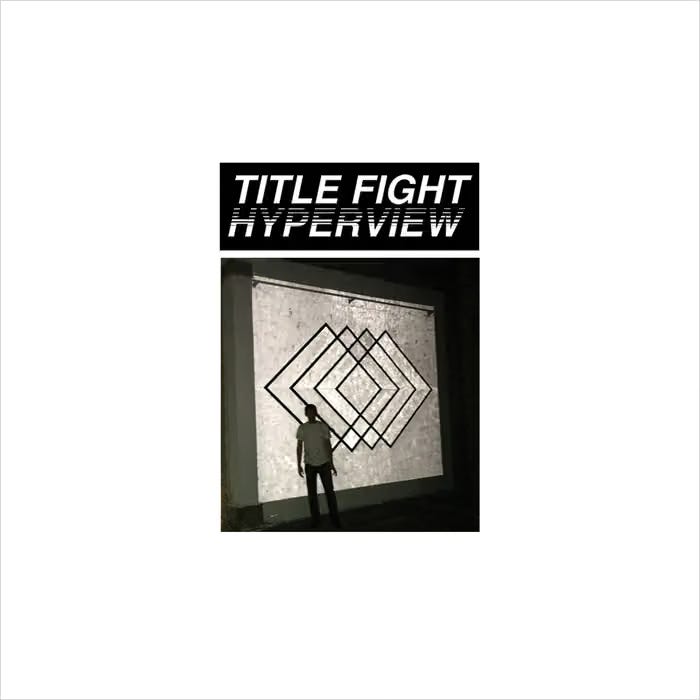
I showed you my favorite track on Hyperview. Here’s another equally radical song, “Hypernight.” You’ll notice that insane bassline right away, but consider the lyrics and the friction in Ned Russin’s voice as he sings and shouts and sings again.
Vague, I’m so misleading, forgotten feelings
Try to read my mind
Hiding secrets in front of open eyes
See a question in its reflection
Never knowing more than
If you’re the flower or if you’re the soil
I’ve always been most affected by Rhoden’s voice and songwriting, but Russin sounds incredible on Hyperview. He further explores this shoegaze-leaning sound in his current band, Glitterer, which is really good but is not Title Fight.
Ben Russin drums now in Citizen, and Shane Moran has reportedly worked or toured with such artists as Kenny Mason, Beabadoobee, and Turnover.
In 2018, at the Revolution Bar & Music Hall in Amityville, New York, Turnstile opened what turned out to be Title Fight’s final ever show. Two years later, the Revolution Bar & Music Hall shut its doors forever.
Tragically, Jamie Rhoden is nowhere to be found4. Like Title Fight, he seems to have vanished without explanation, as if, by the time the closing track on Hyperview was recorded, he was already haunting his own dreamy, lonely songs.
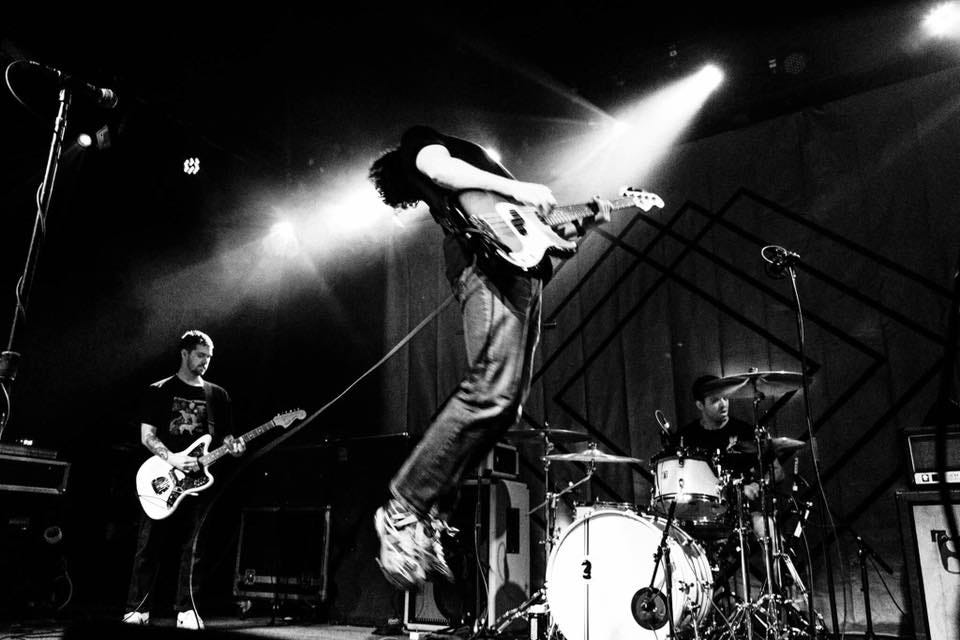
WILL TITLE FIGHT reunite one day? I hope so. For fans new and old, seeing them live would be a spiritual event in a way that is not true for most bands. It would be like seeing the dead rise again. In times like these it might inspire hope, as if maybe not everything we loved about the world we once knew has been lost.
Because the thing is, Title Fight means a whole lot to a whole lot of people.







What happened to Title Fight? you ask. Truthfully, I don’t much care.5 All I know is that I never got to see my favorite band play, and I lament the day it all fell apart.
Paraphrasing the fuck out of Murakami in Novelist as a Vocation
Counting The Last Thing You Forget as an album
Around July 7 Jamie was spotted at Ben Russin’s wedding, where the former Title Fight members played some songs acoustic—and, yes, there is a video
If you care, though, this video seems to attempt to answer that (I haven’t watched it)