

In the Shadow of the Self
With A Violent Masterpiece Jordan Harper pushes against the membrane of the possible

Skin becomes willing flesh.
The doors open onto the night.
The dream begins.
— Jordan Harper, A Violent Masterpiece
IN 2023, JORDAN HARPER published Everybody Knows, a contemporary LA noir that tore the lid off black-bag PR firms in the City of Angels and how they work to cover up twisted and heinous crimes committed by the actors and producers and musicians and other Hollywood types whose careers keep the cash rolling in—Hollywood Sickos Harper called it as a working title while writing.
I love that book. It did something no major crime novel that I’m aware of had done before: exposed, unflinchingly, with snarling, righteous fury, the freaks and psychopaths raping children in present-day Los Angeles and exploiting the desperate and, essentially, pissing over every moral and value we claim to hold as a society—and getting away with it.
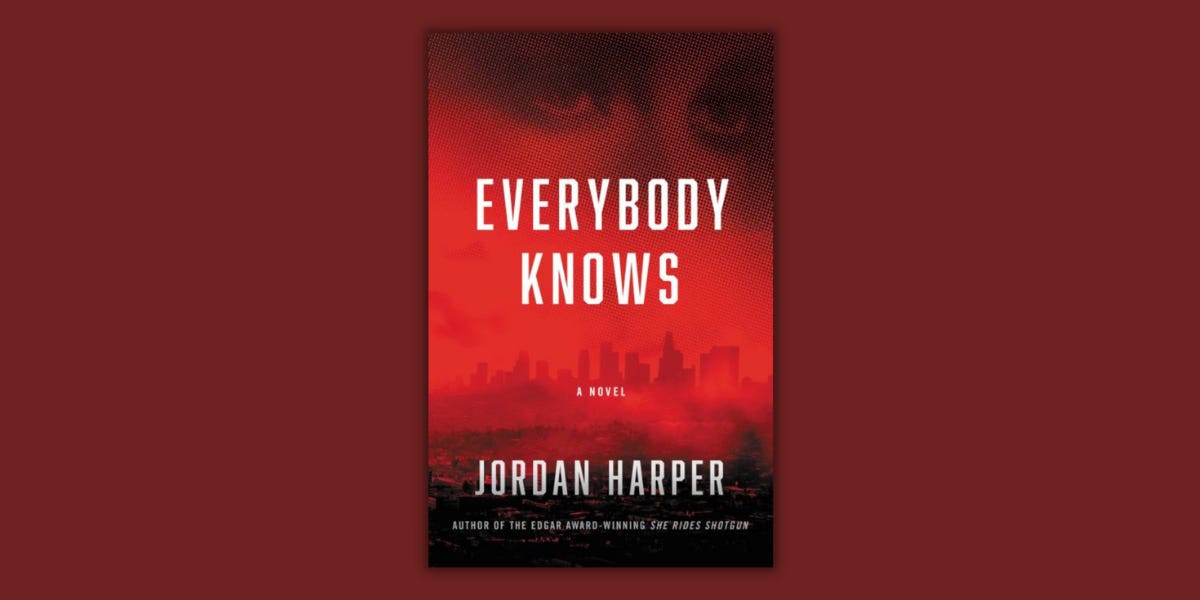
I know Harper is a punk rock guy like myself and so I can say that Everybody Knows is the very essence of punk at its best—like, say, the pace, ingenuity, and ferocity of Black Flag filtered through the virtuoso complexity and clear-eyed eloquence of Propagandhi. It is a bleak book for bleak times, but within its broken heart is a desperate yearning for the truth to prevail, for accountability, for justice—for the birth of a society where the monsters don’t get to win.
Somehow, this year, Jordan Harper followed up Everybody Knows with a companion novel following some of the same characters and events, and managed to outdo himself and Everybody Knows in every way. That novel is A Violent Masterpiece, which has received unanimously glowing coverage in virtually every major publication out there, and its title refers to Los Angeles itself. Because, as Harper writes in the Author’s Note, “Los Angeles is America.”
So much has been said about A Violent Masterpiece—in such places as The Atlantic, The New Yorker, and The New York Times—that I will be parroting others were I to write about it here. What interests me about this novel for this piece is more personal.
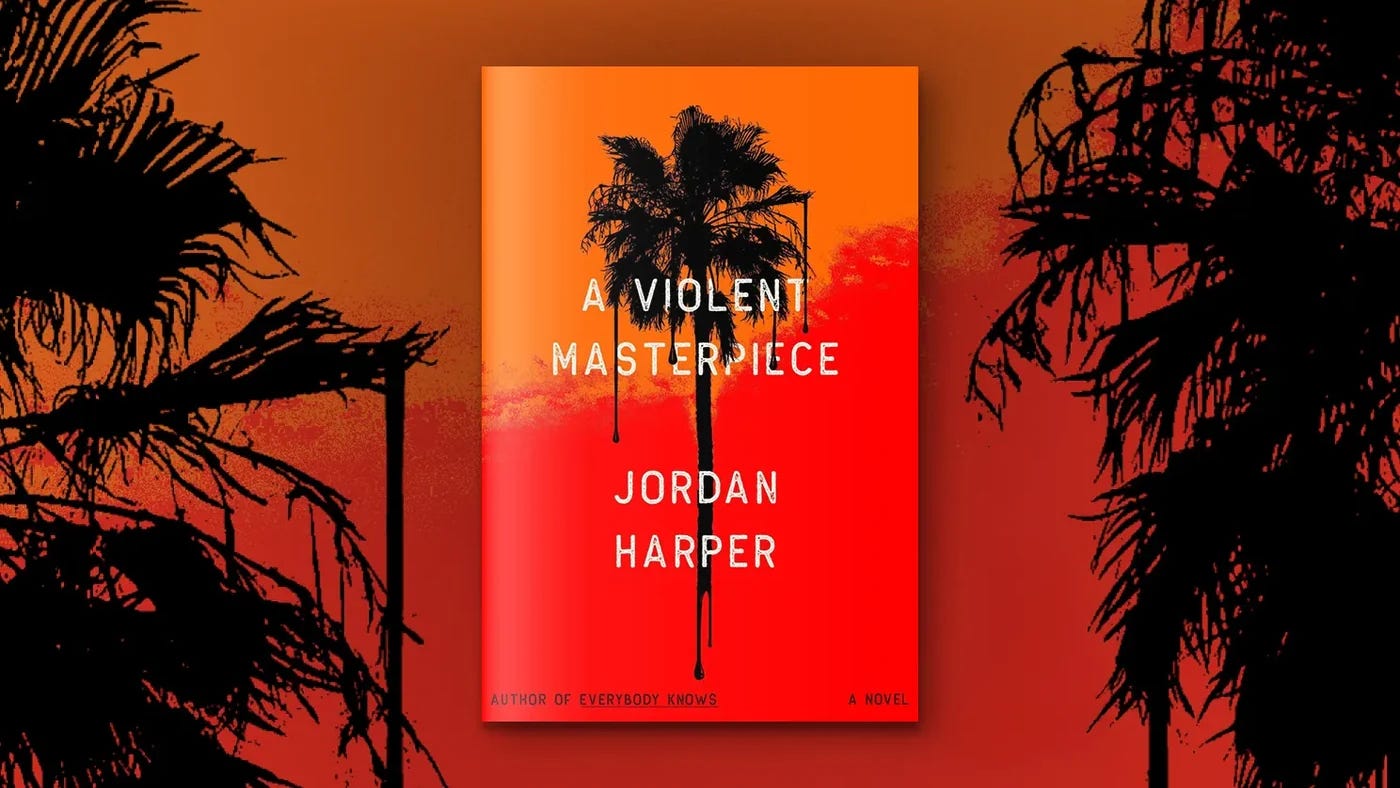
In a matter of weeks, if not days, I will begin the final proofread of my novel American Fury, forthcoming with No Exit Press on February 11, 2027. Like Harper’s two Hollywood Sicko epics, American Fury is a 480-page “literary” thriller bristling with that same righteous rage at this hideous society we have allowed to form around us and the psychopaths we allow to dominate it. And as in Harper’s novels, that fury is born of a yearning for, and belief in, a better world.
And like Harper, I intend to follow up my big-swing novel with a companion piece that somehow nails the delicate balancing act of being connected but distinct, undeniably original yet treading adjacent ground.
This, it turns out, is an extremely difficult thing to do. Frankly, until you’ve tried it, you don’t realize how difficult it is to fill your own shoes. The shadow of the self falls long. And so it both inspires and impresses me greatly to see how well Harper managed to achieve this with A Violent Masterpiece.
Luckily for me, Harper wrote about exactly this in a Substack post in the lead-up to publication of Everybody Knows, and it was exactly what I needed to read again now.
“There is a membrane between the possible and the impossible,” Harper writes. “When you create something that has in a meaningful sense never existed before, you are pressing against that membrane, bringing more of the infinite into the world.”
But as he notes, this is easier said than done, and becomes progressively harder with each new creative work.
It’s easy in the beginning, isn’t it? When you are young and the realm of what you have already achieved is small, it’s easy to expand that field, and it’s easy to pour yourself into your work, to keep pressing that membrane out and out and out. This is why first novels and albums often times are the best, because it is an artist pushing their talents to their natural walls, energy flowing freely. Sophomore slumps are terrifying in part because when you only have one work to define your art with, that one piece of work now defines the possible for you… How can you press against the now defined limits of your work, staying true to yourself without becoming repetitive?
There is only one thing I’m sure of: you have to keep pressing. It’s the only way to stay alive.
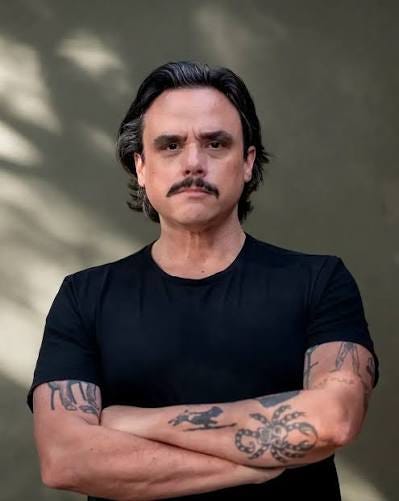
So how do we keep pressing? How do we grow continually as artists, expanding our voice without treading the same ground?
First, change your mental diet. If the first one was powered by reading Ellroy and David Peace, switch it up and start watching lots of Giallos and re-reading Megan Abbott. A different diet will push your brain in new directions, and will change the all-important tone in ways that will hopefully feel new. And the second part is to recognize exactly where that membrane is in your work, to know what you’re capable of today and how you can push past that tomorrow. To listen to the you inside yourself that knows what this book is supposed to be, and follow it—it will not deceive you, and it will not retreat into dull repetition. There are no rules to this. You have to figure it out yourself. That’s why they call it art.
Good advice, if even simply for the sentiment. The reminder.
We write fiction because we’re driven to create something new, something only we can—an expression, from the essence of ourselves, of how it feels to be alive in this cruel, chaotic, beautiful world (and also because we’re a little bit insane).
We don’t write because of a deadline, or money, or status, or ego. Some people do it for those reasons but this post isn’t for them.
We write to grow our very being, to push against the membrane of the impossible—to make the impossible real.
THERE IS MORE WISDOM to be gleaned from another Harper Substack post. This piece is about creating a “spirit board” when embarking on and sustaining a long-term creative project.
I particularly love this nugget of insight from it, with which I wholeheartedly concur:
The more I think about writing (and film-making and television), the more and more I become convinced that the sole job of a story is to create and sustain a shared, temporary dream. That’s it.
Everything else—themes and moral lessons and intricate plotting—are well and good, Harper says, as long as they don’t break the dream.
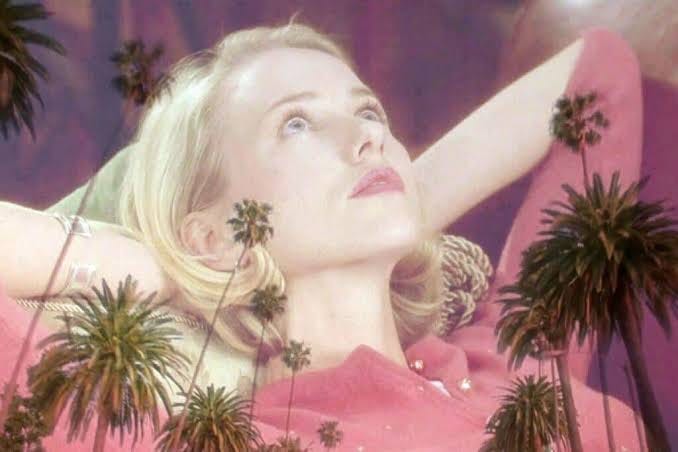
The late David Lynch, of course, knew this better than anyone, and the fact his films worked as well as they did—perfectly I dare say—with every element of them in service of, in a very direct way, sustaining a dream, proves this true.
“One thing this point of view teaches,” Harper writes, “is that tone and mood are incredibly important—perhaps the most important elements.”
Harper explains how he created his spirit board for Everybody Knows, a kind of mood board, which “wound up being more than just a list of music and movies. It became something more like a Statement of Intent. A blueprint for a dream.”
A blueprint for a dream. I like that.
If anything can be said about A Violent Masterpiece it is that the book is, from the first word to the last, one unbroken, nightmarish dream. In writing it Harper managed to push against the membrane of the impossible and write something new—not only within the context of his body of work, but new to the world.
Writers, to this we aspire.
And “Remember,” Harper says,
you don’t have to blast off to the outer realm of the impossible—you just have to press against the borders. However you do it, this engagement with the impossible, using the unique tools that only you possess, will not only feel better and more exciting (it is literal revivification) but lead you to create the art that you and only you will ever be able to create. And if that’s not the highest purpose of an artist I don’t know what is.